Symmetrical Flower Design Review
First Impressions and Visual Personality
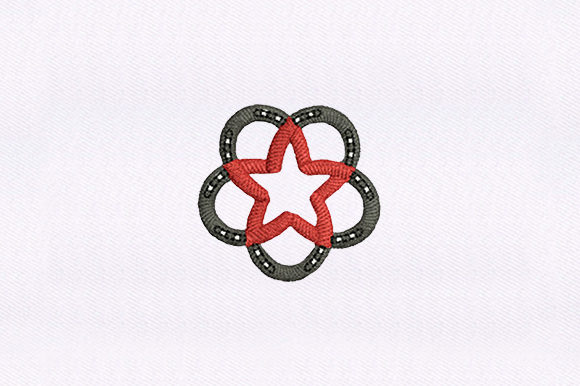
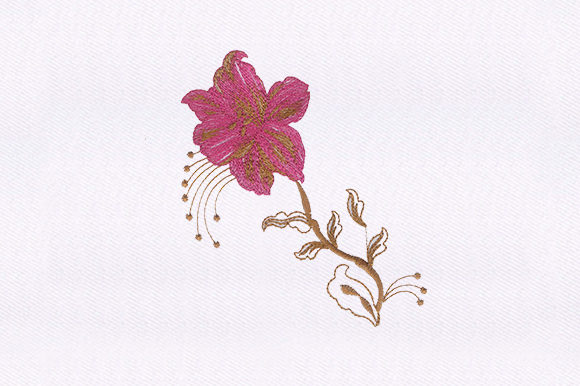
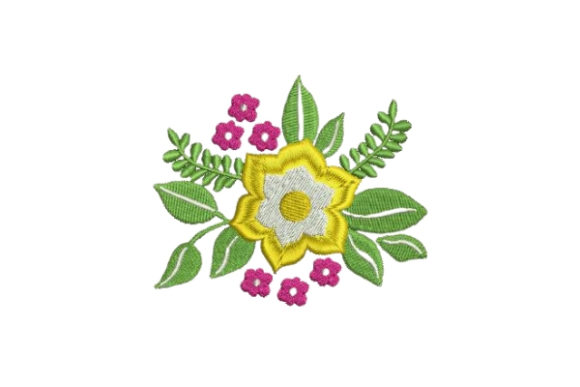
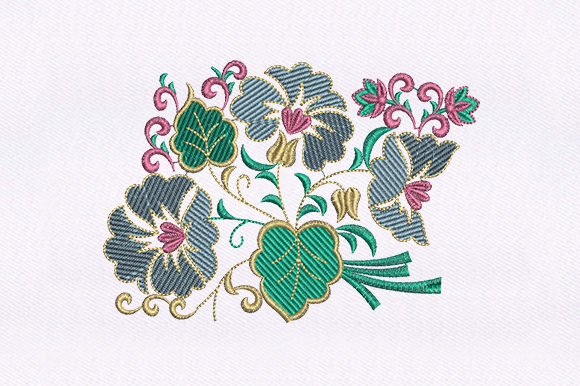
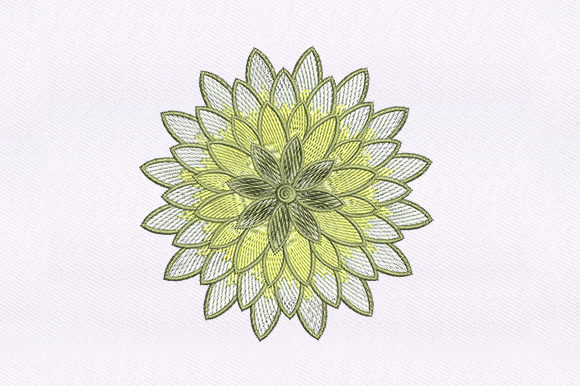
Symmetrical Flower Design immediately captures attention with its balanced composition and clean lines. The design feels both elegant and approachable, making it versatile for a range of styles. Its visual personality leans toward the feminine and minimal, with subtle details that add depth without overwhelming the fabric. The symmetry creates a sense of harmony, which is especially appealing for boutique apparel where aesthetics play a key role in brand identity.
Apparel Use and Design Versatility
Symmetrical Flower Design works exceptionally well on neutral sweatshirts, offering a fresh and modern touch. On pastel hoodies, it adds a soft, playful element that complements the color palette. For dark garments, the design stands out beautifully, especially when paired with thread colors that contrast sharply against the fabric. It’s also ideal for oversized garments, where the scale of the design can be adjusted to maintain visual balance.
The design performs well on t-shirts and denim jackets, adding a decorative yet understated flair. When applied to tote bags, it becomes a statement piece that elevates the overall look of the product. Whether used as a chest emblem, sleeve accent, or back design, Symmetrical Flower Design maintains its integrity and visual appeal across different garment types.
Embroidery Performance and Practical Considerations
When testing Symmetrical Flower Design on scrap fabric, the stitching appears smooth and even, indicating good quality. However, it’s important to consider fabric texture and stretch. On fleece or ribbed fabric, the design may require additional stabilizer to prevent puckering. Dense stitch areas should be checked for potential tension issues, and hoop size should be confirmed to ensure proper placement without distortion.
For small chest placements, the design can be scaled down effectively, but care must be taken to maintain clarity. Areas with tiny lettering or intricate details may stretch or wrinkle if not properly supported. Testing on similar garment fabric before full production is highly recommended to avoid unexpected results.
Impact on Brand Identity and Product Value
Incorporating Symmetrical Flower Design into a boutique brand’s collection can enhance visual consistency and customer engagement. The design’s clean aesthetic aligns well with contemporary trends, making it a strong choice for handmade products and Etsy listings. Its versatility allows for creative use across multiple product lines, reinforcing brand recognition and trust.
From a commercial standpoint, the design offers value through its adaptability. It supports both custom apparel and digital embroidery file usage, enabling creators to produce high-quality finished products. The ability to create printable mockups ensures that designs are visually accurate before final production, reducing the risk of misalignment or color discrepancies.
Design Notes for Embroidery Shops and Small Businesses
As an experienced designer, I recommend reviewing thread color contrast to ensure the design pops on various fabrics. Stabilizer choice is crucial, especially on stretchy or textured materials. Confirming hoop size and stitch density based on the garment type will help achieve optimal results. Always check Creative Fabrica product details and licensing before selling finished apparel to ensure compliance with terms.
For small shop product lines, Symmetrical Flower Design provides a reliable option for creating unique, eye-catching items. Whether used on sweatshirt embroidery, hoodie design, or tote bag design, it supports a wide range of applications while maintaining a cohesive visual style. This makes it a valuable asset for creative entrepreneurs and digital sellers looking to expand their offerings.
Conclusion and Final Thoughts
Symmetrical Flower Design is a thoughtful and versatile embroidery file that brings a refined yet accessible aesthetic to custom apparel. Its ability to adapt to different fabric types and garment styles makes it a practical choice for boutique brands and handmade product creators. By considering factors like fabric texture, stabilizer use, and stitch density, designers can maximize the design’s potential and ensure consistent, professional results.