Pink Flower Design Review
First Impressions: A Delicate Bloom
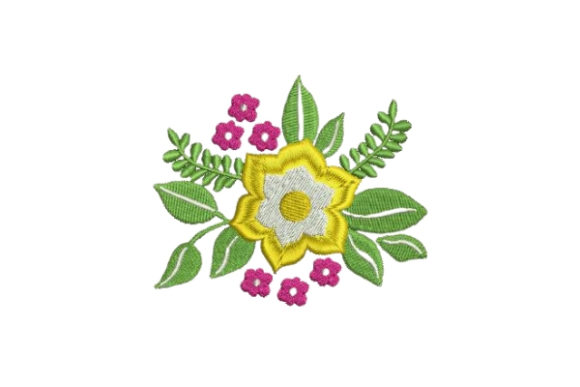
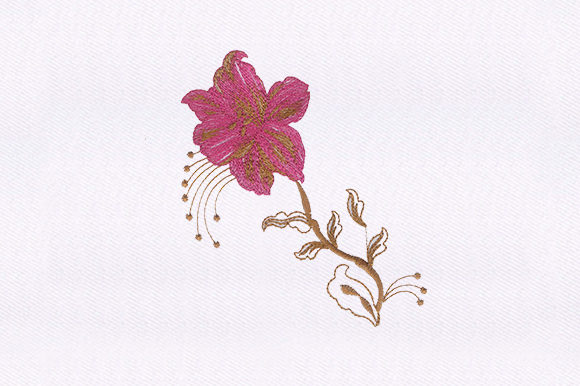
The Pink Flower Design immediately caught my eye with its soft, romantic aesthetic. It’s a single flower, rendered in a way that feels both elegant and approachable. The design carries a gentle, feminine vibe that makes it versatile for a wide range of projects. The color palette is muted yet vibrant, with a subtle gradient that adds depth without overwhelming the eye.
As an embroidery designer, I appreciate the attention to detail in this design. The petals are delicately outlined with satin stitch, while the center features a fill stitch that gives it a lush, three-dimensional feel. The overall stitch density is well-balanced, making it suitable for both small and larger hoop sizes. This balance between intricacy and simplicity ensures the design remains visually appealing without becoming too busy.
Practical Use: From Tote Bags to Custom Apparel
The Pink Flower Design is a great choice for a variety of handmade products. I’ve used similar designs for tote bags, where the floral motif adds a touch of charm without overpowering the bag’s functionality. On a sweatshirt, it works beautifully as a subtle personalization element, especially when paired with neutral tones.
For custom apparel, the design’s versatility shines. Whether it's a cap, apron, or kitchen towel, the Pink Flower Design can be scaled appropriately to fit the product’s size and purpose. The design’s natural curvature makes it particularly well-suited for curved surfaces like caps, where flat designs might look awkward.
When considering commercial embroidery applications, the file formats included—such as DST, PES, and VP3—are widely supported by most embroidery machines. This makes it easy to integrate into a production workflow, whether you're creating personalized gifts or boutique merchandise.
Testing on Fabric: Real-World Performance
Before using any design for a customer order, I always test it on scrap fabric. The Pink Flower Design performed well on both light and dark fabrics, though I noticed that the thread colors needed careful selection to ensure visibility on darker backgrounds. For example, a deep pink thread worked best on black fabric, while white or light gray threads were more effective on lighter materials.
Dense stitch areas, such as the flower’s center, require proper stabilizer use to prevent puckering or distortion. The design’s texture and detail level also mean that it may not work well on stretchy fabrics unless the stabilizer is applied correctly. This is something to keep in mind when preparing for projects like baby blankets or aprons, which often involve delicate or stretchy materials.
Additionally, the design’s small details—like the fine lines of the petals—require a high-quality embroidery machine to maintain clarity. While it’s possible to achieve good results with a mid-range machine, the final output depends heavily on the machine’s capabilities and the user’s technique.
Design Value and Brand Consistency
From a branding perspective, the Pink Flower Design offers a clean, consistent look that can help elevate a handmade product’s visual appeal. Its subtle elegance makes it ideal for gift items, such as personalized pillow covers or embroidered patches. These types of products often rely on their design quality to stand out in a competitive market.
When used in Etsy listings or craft fair displays, the design’s visual appeal can significantly impact buyer trust. A well-executed embroidery piece with a cohesive design like the Pink Flower Design can make a lasting impression, encouraging customers to choose your handmade product over others.
Handmade Presentation and Giftability
The Pink Flower Design is highly gift-friendly, especially for seasonal or special occasion items. Its soft, pastel tones make it perfect for baby blankets, nursery decor, or holiday-themed products. When paired with a thoughtful presentation, such as a hand-stitched label or a custom packaging idea, the design can transform a simple embroidered item into a memorable gift.
For handmade shops or small businesses, this design can serve as a staple in your inventory. Its adaptability allows it to be used across multiple product lines, from custom apparel to decorative accessories, ensuring a steady stream of creative options for your customers.
Embroidery Tips for Success
- Test on scrap fabric: Always check how the design looks and performs before applying it to a finished product.
- Check thread color contrast: Ensure the chosen thread colors provide enough contrast against the fabric background.
- Review stitch density: Adjust settings if needed to ensure even stitching and avoid overcrowding.
- Confirm hoop size: Choose a hoop that accommodates the design’s size and complexity.
- Compare light and dark fabric mockups: Preview the design on different fabrics to ensure consistency.
- Use proper stabilizer: Especially important for stretchy or textured fabrics.
- Inspect small details after stitching: Look for any imperfections or misalignments before finalizing the project.
- Confirm file details and licensing: Always review the Creative Fabrica product page to ensure compliance with usage terms.
Conclusion: A Versatile Choice for Embroidery Enthusiasts
The Pink Flower Design is a reliable and beautiful option for designers looking to add a touch of elegance to their handmade products. Its adaptability, visual appeal, and practical performance make it a valuable addition to any embroidery designer’s toolkit. Whether you’re working on custom apparel, seasonal gifts, or boutique merchandise, this design has the potential to enhance your offerings and create meaningful connections with your customers.