Sunflower and Wheat Spikelets
A Sunny Design for Real Projects
As a designer who’s stitched through countless embroidery files, I’m always on the lookout for designs that not only look good but also work well in real-world applications. Sunflower and Wheat Spikelets is one such design that caught my eye—not just for its cheerful aesthetic, but for how it translates into practical embroidery projects. Let’s take a closer look at what makes this design stand out and where it shines best.
The First Impression: Warmth and Simplicity
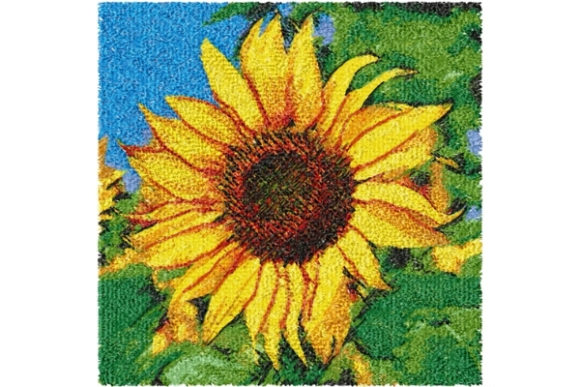
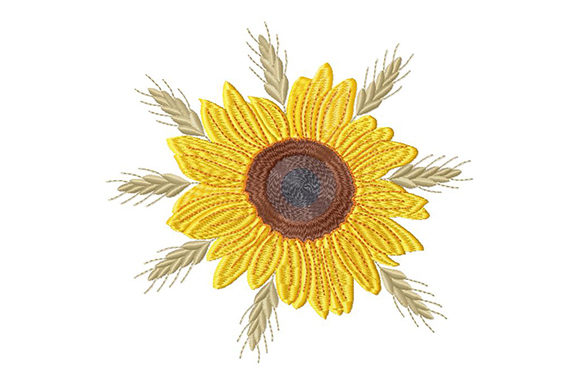
At first glance, Sunflower and Wheat Spikelets feels like a breath of fresh air. The design leans into the golden hues of sunflowers and wheat, evoking a sense of warmth and positivity. It’s clean, uncluttered, and visually balanced. The central sunflower is bold and detailed, while the wheat spikelets add texture and movement. This combination creates a natural, organic feel that’s perfect for both casual and curated projects.
The layout is intuitive, with the sunflower centered and the wheat arranged around it in a flowing pattern. There’s no overwhelming detail, which makes it versatile for different fabric types and project sizes. This simplicity is a strong point—especially when working with limited hoop space or intricate surfaces like caps or aprons.
Real-World Use Cases: Where to Stitch Sunflower and Wheat Spikelets
When considering where to use Sunflower and Wheat Spikelets, I immediately think of custom apparel. A sweatshirt or tote bag with this design would make for a great personalized gift or boutique product. The yellow tones are vibrant enough to pop against darker fabrics, making it ideal for holiday or seasonal items.
It also works well on baby clothes, especially onesies or blankets. The softness of the design complements the delicate nature of these items without being too busy. For crafters looking to create handmade products, this design could be used on embroidered patches, pillow covers, or even kitchen towels. Its versatility is a big plus for small business owners and Etsy sellers who need designs that can adapt to various product lines.
However, there are scenarios where caution is needed. When working with thin or stretchy fabrics, the design might require additional stabilizer to prevent puckering or distortion. Similarly, dense stitch areas near the wheat spikelets could pose challenges on textured surfaces, so testing on scrap fabric is essential before committing to a final piece.
Design Considerations for Success
Before using Sunflower and Wheat Spikelets, I recommend checking a few key factors. First, ensure the embroidery file is compatible with your machine and hoop size. If you’re planning to sell finished products, verify the licensing terms to avoid any legal issues. Also, consider the thread colors—while the design is primarily yellow, subtle variations in hue can affect the overall appearance, especially on dark fabrics.
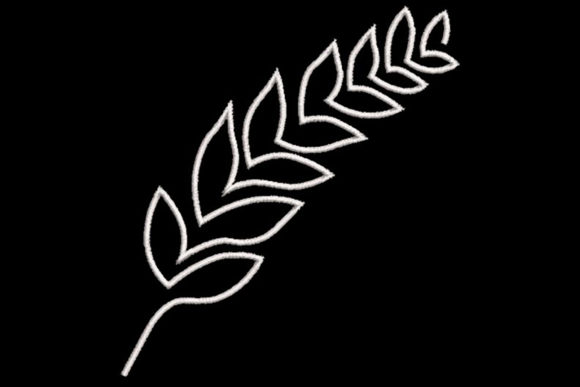
Testing the design on a printable mockup or in black and white can help identify potential issues with stitch density and contrast. Pay attention to the details—like the wheat spikelets’ texture and the sunflower’s fill stitches. These elements contribute significantly to the design’s visual appeal and should be clear and crisp in the final product.
For those creating digital product previews, it’s important to showcase the design in both light and dark backgrounds. This helps customers understand how the design will look in different contexts, from a white t-shirt to a dark denim jacket. Consistency in branding is also crucial, especially if the design is part of a larger collection or brand identity.
Practical Designer Notes
As someone who frequently reviews embroidery files, I’ve learned that preparation is key. Always test the design on scrap fabric first, especially if you’re working with a new machine or fabric type. Check the stitch density to ensure it’s appropriate for the material you’re using. Too dense, and you risk over-stitching; too loose, and the design may appear incomplete.
Stabilizer choice is another factor to consider. For delicate fabrics like cotton or linen, a tear-away stabilizer can provide support without adding bulk. On the other hand, a water-soluble stabilizer might be better suited for lightweight materials. Don’t forget to inspect small details like the wheat spikelets and any decorative accents—they should be clear and well-defined in the final stitch.
If you’re planning to sell finished products, confirm that the design is licensed for commercial use. This ensures that you’re not infringing on any rights and that your customers receive high-quality, legally compliant items. Whether you’re crafting for personal use or running a small shop, clarity on these points can make all the difference.
Final Thoughts: A Versatile Design for Any Project
Sunflower and Wheat Spikelets is more than just a pretty design—it’s a thoughtful, adaptable solution for a wide range of embroidery projects. Its warm color palette and clean layout make it suitable for everything from custom apparel to handmade gifts. With the right preparation and attention to detail, this design can elevate your craft and bring a sunny mood to any product.
Whether you’re an Etsy seller, a craft business owner, or simply a hobbyist looking to create something meaningful, Sunflower and Wheat Spikelets is worth considering. Just remember to test, prepare, and plan—because the best embroidery designs are those that shine in real life.