Flower Quilting
A Bold Statement in Embroidery
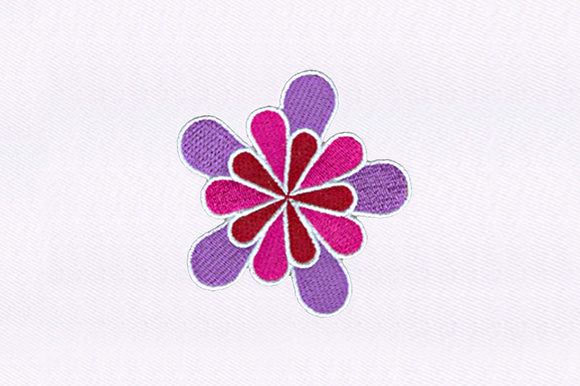
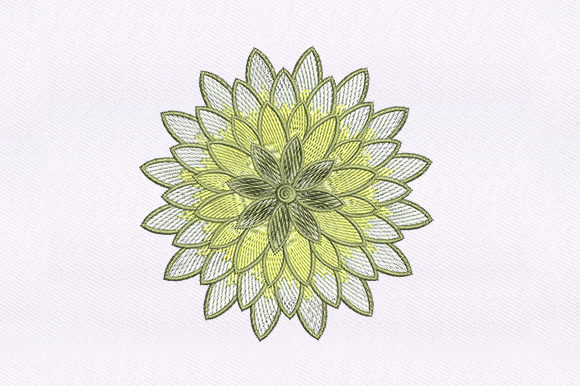
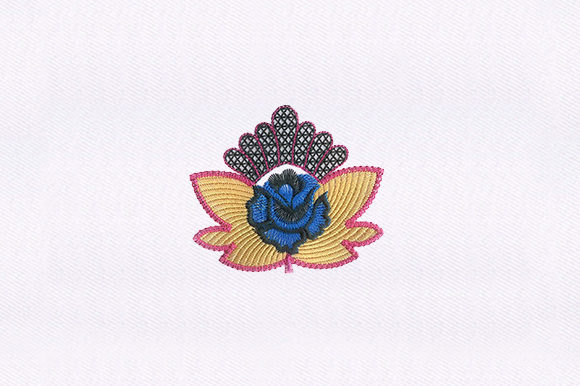
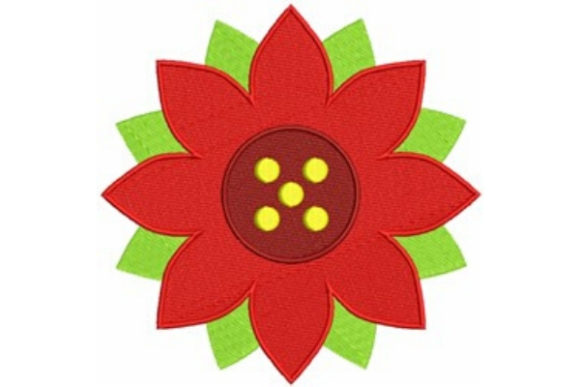
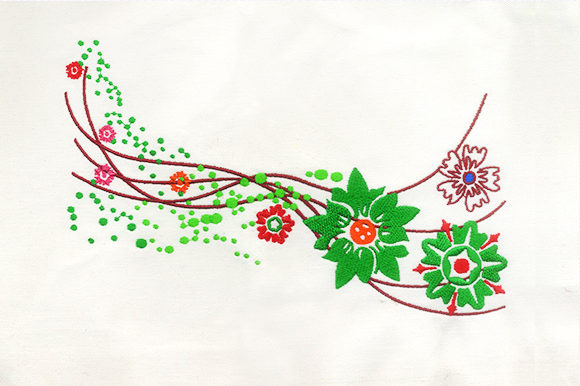
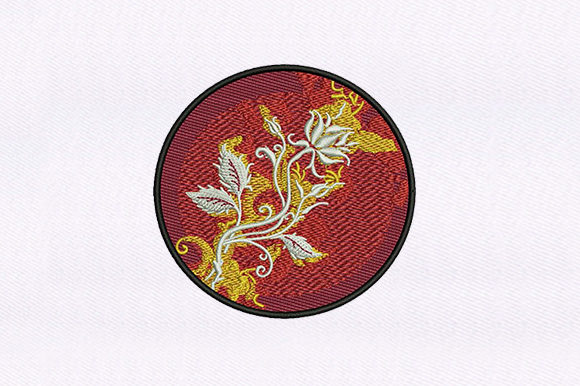
Flower Quilting makes a strong first impression with its clean lines and intricate floral details. The design feels modern yet timeless, offering a balance between elegance and approachability. As an experienced embroidery designer, I can tell that this design is versatile enough to work across multiple product types while maintaining visual appeal. Whether displayed on a tote bag or a tea towel, Flower Quilting stands out with its refined aesthetic.
Flower Quilting on Craft Fair Products
Flower Quilting has the potential to elevate a wide range of craft fair products. From embroidered patches to fabric pouches, the design adds a touch of sophistication without overwhelming the product. It works particularly well on tote bags and aprons, where it can serve as both a focal point and a subtle accent. For kitchen towels, the floral motif brings a fresh, decorative element that appeals to home décor enthusiasts.
The design’s adaptability makes it ideal for small shop products like caps and market bags. On curved surfaces such as caps, Flower Quilting maintains clarity and detail, ensuring it looks just as good up close as it does from a distance. This versatility is a key selling point for Etsy sellers and handmade shop owners looking to offer a cohesive product line.
Visual Appeal and Customer Attention
Flower Quilting excels in capturing customer attention. Its delicate yet bold nature ensures it stands out on a booth display, especially when paired with other designs. The design’s clarity and detail make it visually engaging, encouraging buyers to stop and examine the product more closely. In online listings, Flower Quilting photographs well, making it a great candidate for printable mockups and digital embroidery files.
When considering how Flower Quilting performs on different fabrics, it’s important to note that the design may require some adjustments. On thick or textured fabrics like cotton towels, the stitch density might need to be adjusted to maintain clarity. Dark fabrics can also affect visibility, so testing the design on scrap fabric is essential before proceeding with production.
Practical Production Notes
As a professional embroidery designer, I recommend testing Flower Quilting on various fabric types to ensure it translates well into finished products. Checking thread contrast and spacing is crucial for achieving the best results. The design’s file formats—such as DST, PES, and JEF—are compatible with most embroidery machines, making it accessible for both commercial and small-scale producers.
Before creating a batch of products, confirm the hoop size required for Flower Quilting. Some areas of the design may have dense stitch patterns, which could impact the stitching process. Using the right stabilizer is also important, especially when working with delicate or textured fabrics. A proper stabilizer helps maintain the design’s integrity and prevents puckering or distortion.
Design Assets and Finished Product Quality
Flower Quilting offers a range of design assets that make it suitable for both handmade and commercial embroidery. The design’s scalability means it can be used on small accents like patches or large focal points like pillow covers. For Etsy sellers, this flexibility allows for creative product variation, enhancing brand consistency and product value.
When producing finished products, consider the overall handmade quality. Flower Quilting’s intricate details contribute to a premium feel, making it appealing to customers who value craftsmanship. However, it’s important to maintain consistency across all products to ensure a cohesive brand image. This is especially relevant for boutique makers and creative entrepreneurs looking to build a recognizable style.
Booth Display and Buyer Engagement
Flower Quilting is a strong contender for booth displays due to its visual appeal and adaptability. When displayed on a variety of products, it creates a dynamic and engaging setup that draws in passersby. The design’s clarity and detail make it easy for customers to recognize and appreciate, increasing the likelihood of purchase.
For buyer engagement, Flower Quilting’s versatility allows for creative storytelling. Whether it’s a patch for a DIY project or a tea towel for a cozy kitchen, the design fits seamlessly into different lifestyles and interests. This makes it a valuable asset for craft fair sellers and digital sellers looking to connect with their audience.
Final Thoughts on Flower Quilting
Flower Quilting is a well-rounded machine embroidery design that offers both aesthetic and practical benefits. Its ability to translate well into a variety of products makes it a valuable addition to any craft fair booth or handmade shop. As an embroidery designer, I recommend using test samples and mockups to ensure the design meets your expectations before moving forward with production.
By carefully considering factors like fabric texture, stitch density, and thread colors, you can maximize the visual impact of Flower Quilting. With the right preparation and attention to detail, this design has the potential to become a standout product in your lineup, helping you attract and retain customers at craft fairs and beyond.