Coordinated Flower Design
A First Impression That Speaks Volumes
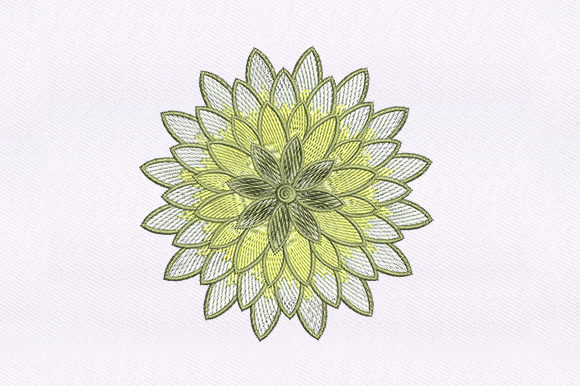
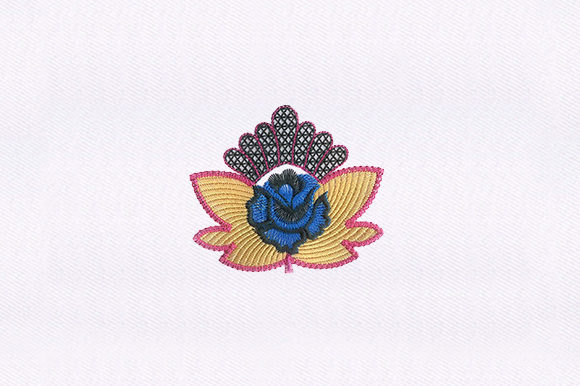
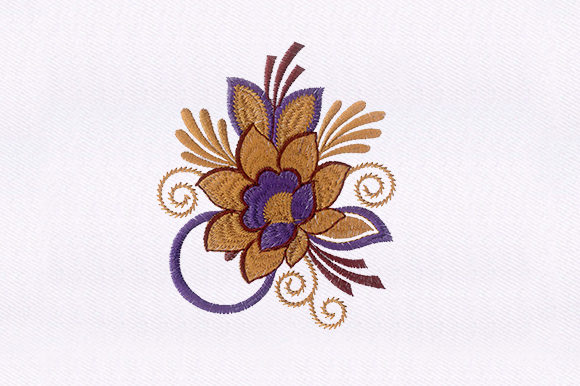
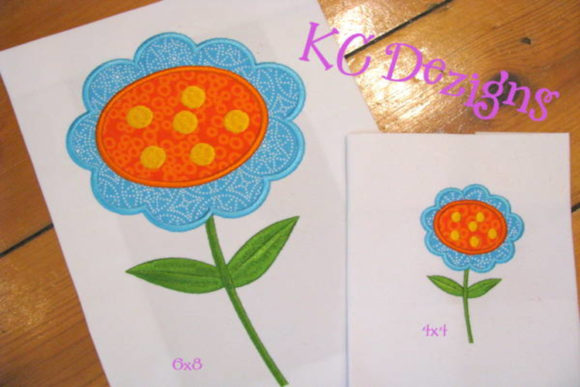
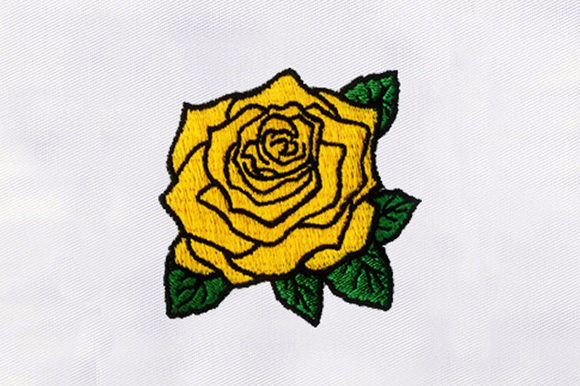
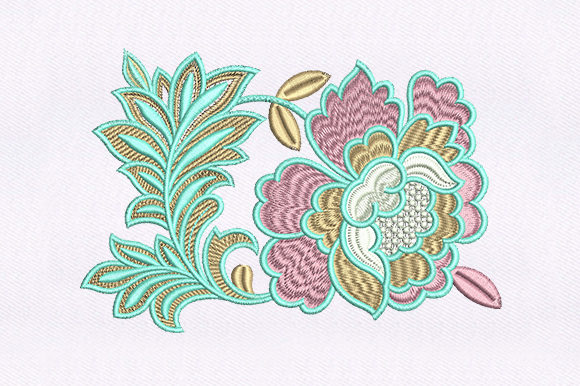
The first thing that catches the eye about Coordinated Flower Design is its clean, balanced composition. It feels like a blend of elegance and approachability—neither too bold nor too timid. The design carries a subtle sophistication that makes it versatile for a wide range of craft fair products. With its focus on single flowers, the design offers a sense of simplicity that appeals to both minimalist and decorative buyers alike.
Where Does This Design Shine?
Coordinated Flower Design is a strong contender for a variety of craft fair products, especially when applied to items like tote bags, aprons, tea towels, and embroidered patches. Its single-flower motif works well as both a focal point and an accent, making it adaptable for different product types. For example, on a tote bag design, it can serve as a gentle yet noticeable detail, while on a patch or fabric pouch, it becomes the central feature.
On tea towel embroidery, the design holds up beautifully against the texture of the fabric, adding a touch of visual interest without overwhelming the surface. When used on caps or market bags, the floral motif brings a fresh, modern feel that aligns with current trends in handmade markets.
Visual Appeal and Customer Attention
The Coordinated Flower Design has a soft, refined look that draws customers in at a craft fair booth. Its delicate lines and balanced color palette make it visually appealing from a distance, which is crucial for grabbing attention in a crowded display. The design’s clarity also helps it stand out in online listings, where high-quality printable mockups are essential for showcasing the finished product.
When photographing for Etsy or other digital platforms, the design maintains its integrity, ensuring that the final finished product looks as good in person as it does online. This is particularly important for Etsy sellers and small shop owners who rely heavily on visual presentation to attract buyers.
Practical Production Considerations
Producing Coordinated Flower Design requires careful attention to detail. While the design is generally easy to understand at a glance, some areas may require more precise stitching. For instance, dense stitch areas or intricate details could pose challenges during production. It’s important to test the design on scrap fabric before moving to full-scale production to ensure that the stitch density and thread colors work well together.
Using the right stabilizer is crucial, especially when working with textured fabrics like those found in tea towel embroidery. The design’s adaptability means it can be used on a variety of materials, but each fabric type will require a different approach to achieve the best results. Dark fabrics, in particular, may need additional contrast in thread colors to maintain visibility.
Batch Production and Repeatability
One of the strengths of Coordinated Flower Design is its repeatability. It can be easily replicated across multiple small shop products, making it ideal for batch production. This is especially beneficial for commercial embroidery businesses looking to create consistent, high-quality items for sale at craft fairs and markets.
However, care must be taken when scaling down the design for smaller products like patches or fabric pouches. Some details may lose clarity at reduced sizes, so it’s important to review the embroidery file for any potential issues. Testing on various fabric types and sizes ensures that the final finished product meets the quality expectations of both the designer and the customer.
Design Assets and Licensing Notes
Before starting production, always verify the embroidery file formats provided, including 10O, ART, CND, DST, DSZ, EXP, HUS, JEF, PCS, PEC, PES, TAP, VIP, VP3, and XXX. These files should be compatible with your embroidery machine and software. Additionally, confirm that you have the proper commercial licensing for use in mass production, especially if you plan to sell through platforms like Etsy or create digital embroidery files for resale.
Creating at least one real mockup is a must before finalizing the design. This allows you to see how the flower design interacts with the fabric and how it appears in different lighting conditions. It also helps in assessing whether the design feels premium enough to justify the price point of your handmade product.
Conclusion: A Versatile Choice for Craft Fair Success
Coordinated Flower Design is a well-rounded choice for craft fair products that balances style, practicality, and versatility. Whether you're creating apron embroidery, market bags, or patch designs, this design offers a solid foundation for attracting customers and building brand consistency. By paying attention to stitch density, fabric texture, and overall presentation, you can ensure that your finished product stands out in both online listings and physical displays.